

.
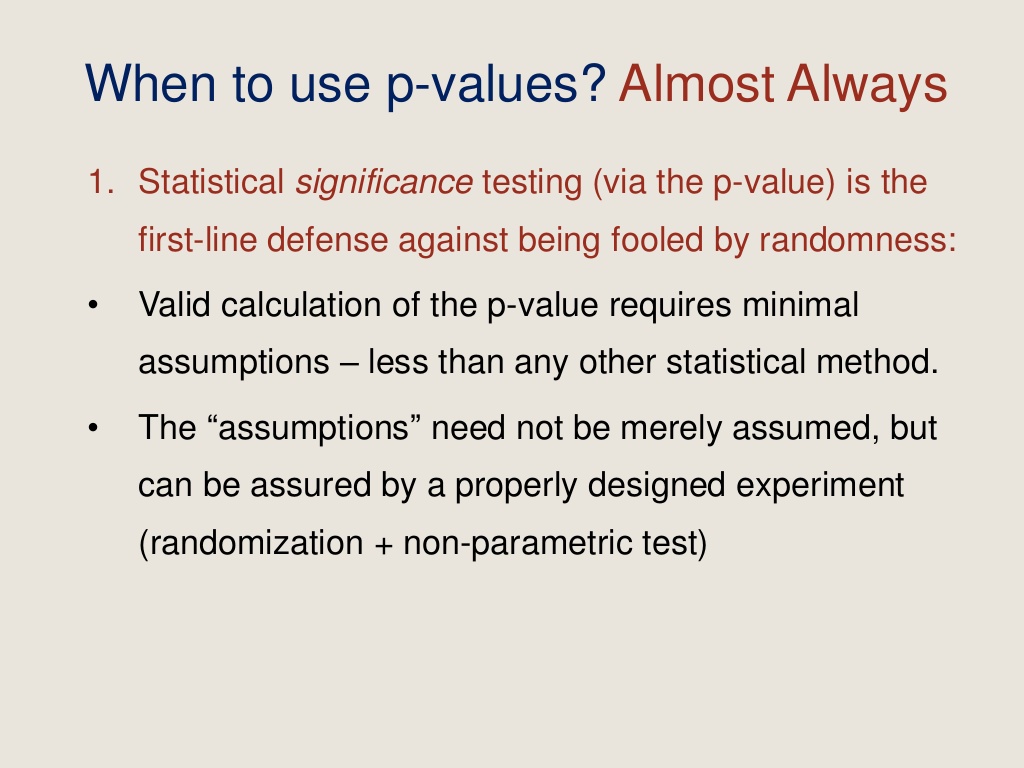
You will often hear—especially in discussions about the “replication crisis”—that statistical significance tests exaggerate evidence. Significance testing, we hear, inflates effect sizes, inflates power, inflates the probability of a real effect, or inflates the probability of replication, and thereby misleads scientists.
If you look closely, you’ll find the charges are based on concepts and philosophical frameworks foreign to both Fisherian and Neyman–Pearson hypothesis testing. Nearly all have been discussed on this blog or in SIST (Mayo 2018), but new variations have cropped up. The emphasis that some are now placing on how biased selection effects invalidate error probabilities is welcome, but I say that the recommendations for reinterpreting quantities such as p-values and power introduce radical distortions of error statistical inferences. Before diving into the modern incarnations of the charges it’s worth recalling Stephen Senn’s response to Stephen Goodman’s attempt to convert p-values into replication probabilities nearly 20 years ago (“A Comment on Replication, P-values and Evidence,” Statistics in Medicine). I first blogged it in 2012, here. Below I am pasting some excerpts from Senn’s letter (but readers interested in the topic should look at all of it), because Senn’s clarity cuts straight through many of today’s misunderstandings.

.












 Error Statistics Philosophy