
Error Statistics Philosophy: Blog Contents (7 years) [i]
By: D. G. Mayo
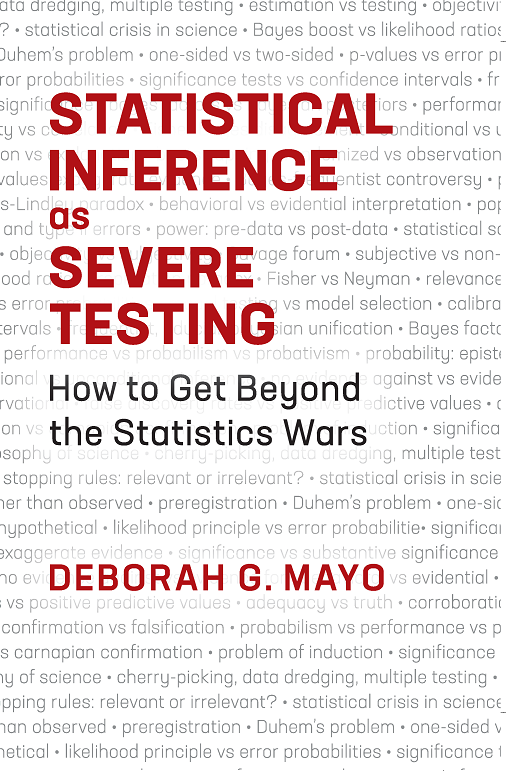
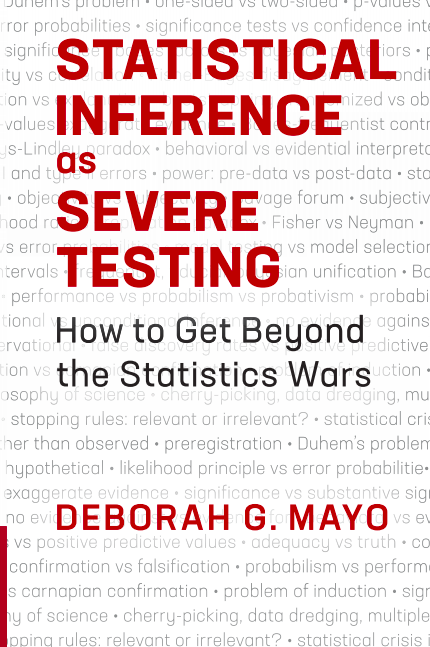
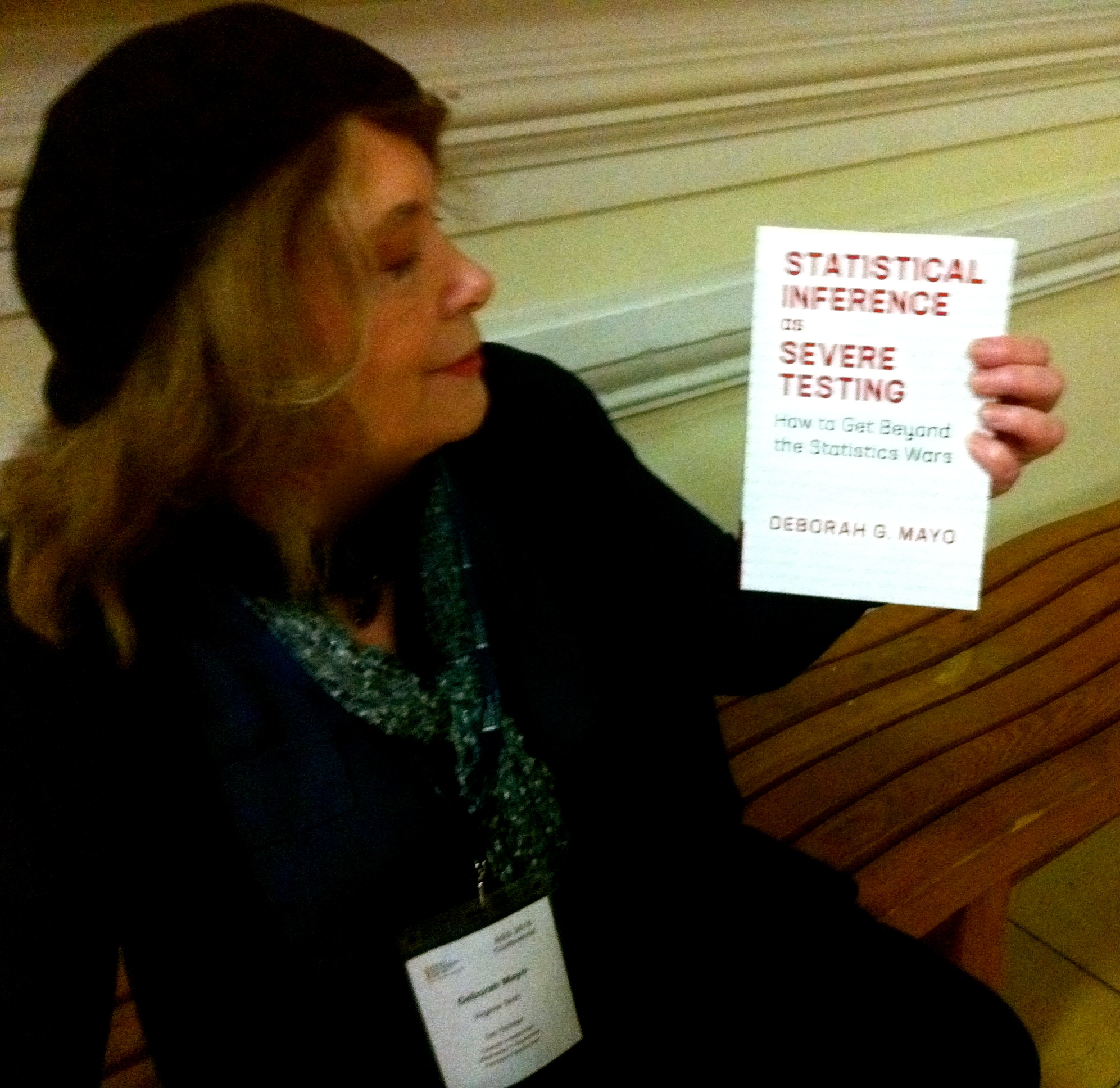
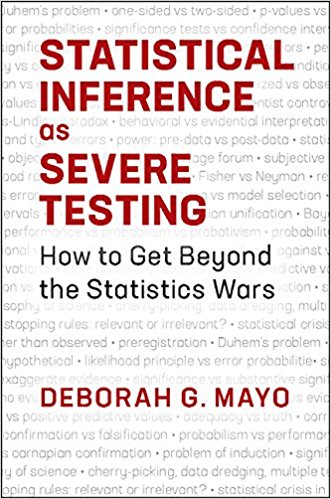
Dear Reader: I began this blog 7 years ago (Sept. 3, 2011)! A big celebration is taking place at the Elbar Room this evening, both for the blog and the appearance of my new book: Statistical Inference as Severe Testing: How to Get Beyond the Statistics Wars (CUP). While a special rush edition made an appearance on Sept 3, in time for the RSS meeting in Cardiff, it was decided to hold off on the festivities until copies of the book were officially available (yesterday)! If you’re in the neighborhood, stop by for some Elba Grease
.
Many of the discussions in the book were importantly influenced (corrected and improved) by reader’s comments on the blog over the years. I thank readers for their input. Please peruse the offerings below, taking advantage of the discussions by guest posters and readers! I posted the first 3 sections of Tour I (in Excursion i) here, here, and here.
This blog will return to life, although I’m not yet sure of exactly what form it will take. Ideas are welcome. The tone of a book differs from a blog, so we’ll have to see what voice emerges here.Sincerely,
D. Mayo Continue reading
All She Wrote (so far): Error Statistics Philosophy: 7 years on

Categories: 3-year memory lane, 4 years ago!, blog contents, Metablog
2 Comments










 3 years ago…


 Error Statistics Philosophy