
Waiting for my plane at La Guardia, I see that the NYT has an article on page one about the disparity between suing brand name vs. generic drug makers for failure to adequately warn of serious side effects on their drug labels. Can it be that no one is responsible for monitoring/updating drug label warnings once a drug becomes generic?
Debbie Schork, a deli worker at a supermarket in Indiana, had to have her hand amputated after an emergency room nurse injected her with an anti-nausea drug, causing gangrene. She sued the manufacturer named in the hospital’s records for failing to warn about the risks of injecting it. Her case was quietly thrown out of court last fall.
That result stands in sharp contrast to the highly publicized case of Diana Levine, a professional musician from Vermont. Her hand and forearm were amputated because of gangrene after a physician assistant at a health clinic injected her with the same drug. She sued the drug maker, Wyeth, and won $6.8 million.
The financial outcomes were radically different for one reason: Ms. Schork had received the generic version of the drug, known as promethazine, while Ms. Levine had been given the brand name, Phenergan.
“Explain the difference between the generic and the real one — it’s just a different company making the same thing,” Ms. Schork said.
 to extricate such choices, replacing them with purely formal a priori computations or agreed-upon conventions (
 We constantly hear that procedures of inference are inescapably subjective because of the latitude of human judgment as it bears on the collection, modeling, and interpretation of data. But this is seriously equivocal: Being the product of a human subject is hardly the same as being subjective, at least not in the sense we are speaking of—that is, as a threat to objective knowledge. Are all these arguments about the allegedly inevitable subjectivity of statistical methodology rooted in equivocations? I argue that they are!
 ader: My commentary, “
 Gelman responds on his blog today: “Gelman on
 “
“

 Nathan Schactman has an interesting blog post on “
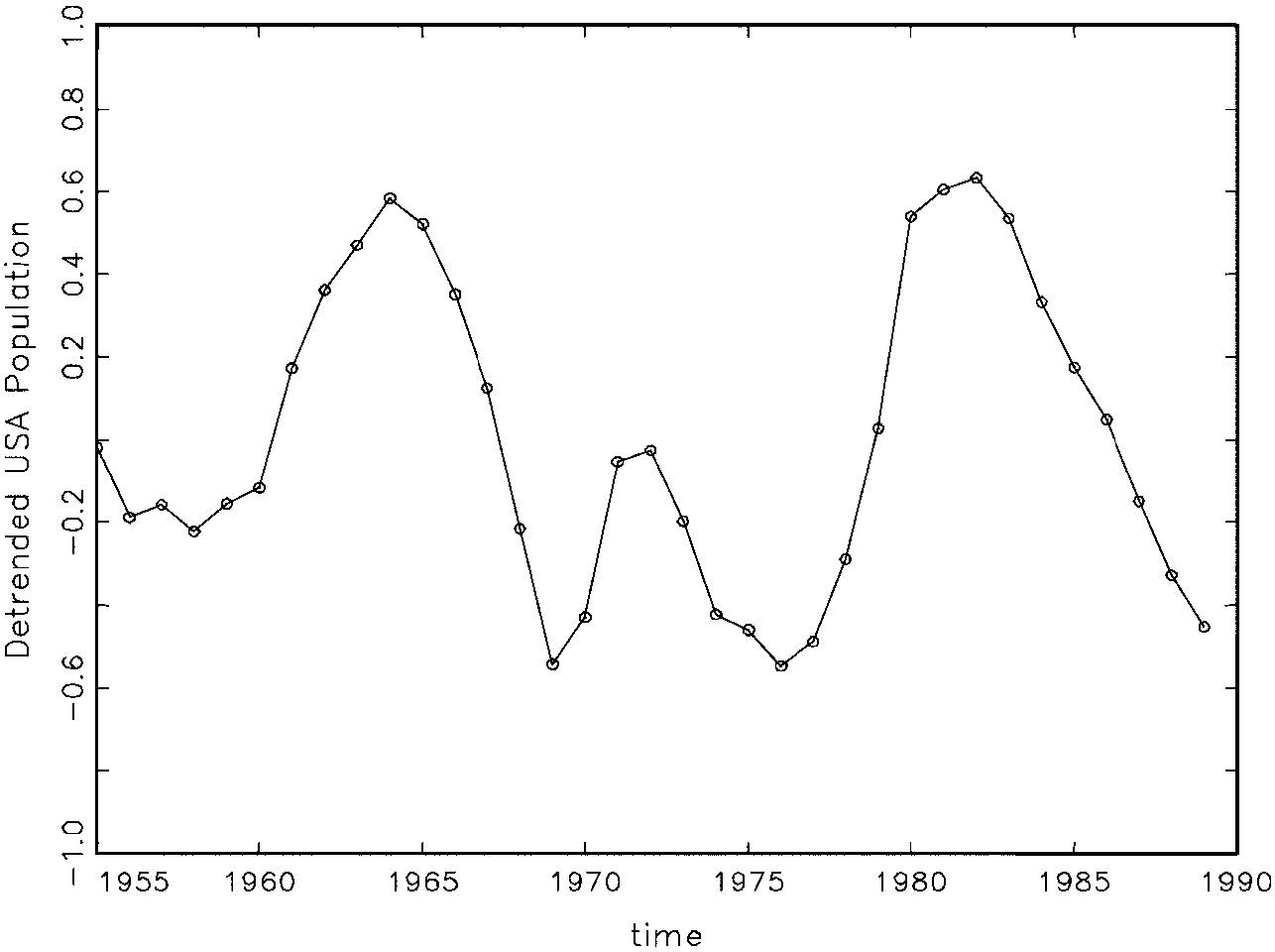
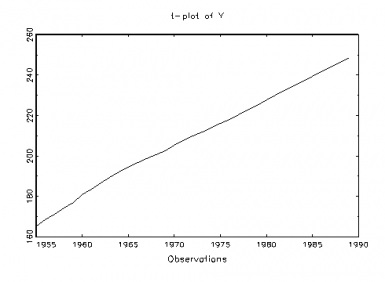
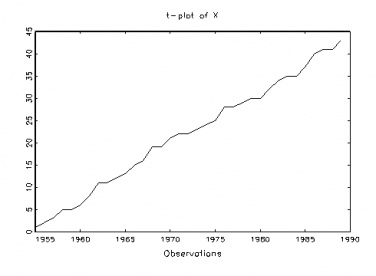
 The Nature of the Inferences From Graphical Techniques: What is the status of the learning from graphs? In this view, the graphs afford good ideas about the kinds of violations for which it would be useful to probe, much as looking at a forensic clue (e.g., footprint, tire track) helps to narrow down the search for a given suspect, a fault-tree, for a given cause. The same discernment can be achieved with a formal analysis (with parametric and nonparametric tests), perhaps more discriminating than can be accomplished by even the most trained eye, but the reasoning and the justification are much the same. (The capabilities of these techniques may be checked by simulating data deliberately generated to violate or obey the various assumptions.)








 Error Statistics Philosophy