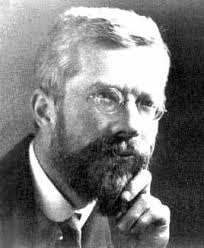
R.A. Fisher: February 17, 1890 – July 29, 1962
In recognition of R.A. Fisher’s birthday today, I’ve decided to share some thoughts on a topic that has so far has been absent from this blog: Fisher’s fiducial probability. Happy Birthday Fisher.
[Neyman and Pearson] “began an influential collaboration initially designed primarily, it would seem to clarify Fisher’s writing. This led to their theory of testing hypotheses and to Neyman’s development of confidence intervals, aiming to clarify Fisher’s idea of fiducial intervals (D.R.Cox, 2006, p. 195).
The entire episode of fiducial probability is fraught with minefields. Many say it was Fisher’s biggest blunder; others suggest it still hasn’t been understood. The majority of discussions omit the side trip to the Fiducial Forest altogether, finding the surrounding brambles too thorny to penetrate. Besides, a fascinating narrative about the Fisher-Neyman-Pearson divide has managed to bloom and grow while steering clear of fiducial probability–never mind that it remained a centerpiece of Fisher’s statistical philosophy. I now think that this is a mistake. It was thought, following Lehman (1993) and others, that we could take the fiducial out of Fisher and still understand the core of the Neyman-Pearson vs Fisher (or Neyman vs Fisher) disagreements. We can’t. Quite aside from the intrinsic interest in correcting the “he said/he said” of these statisticians, the issue is intimately bound up with the current (flawed) consensus view of frequentist error statistics.
So what’s fiducial inference? I follow Cox (2006), adapting for the case of the lower limit: Continue reading →