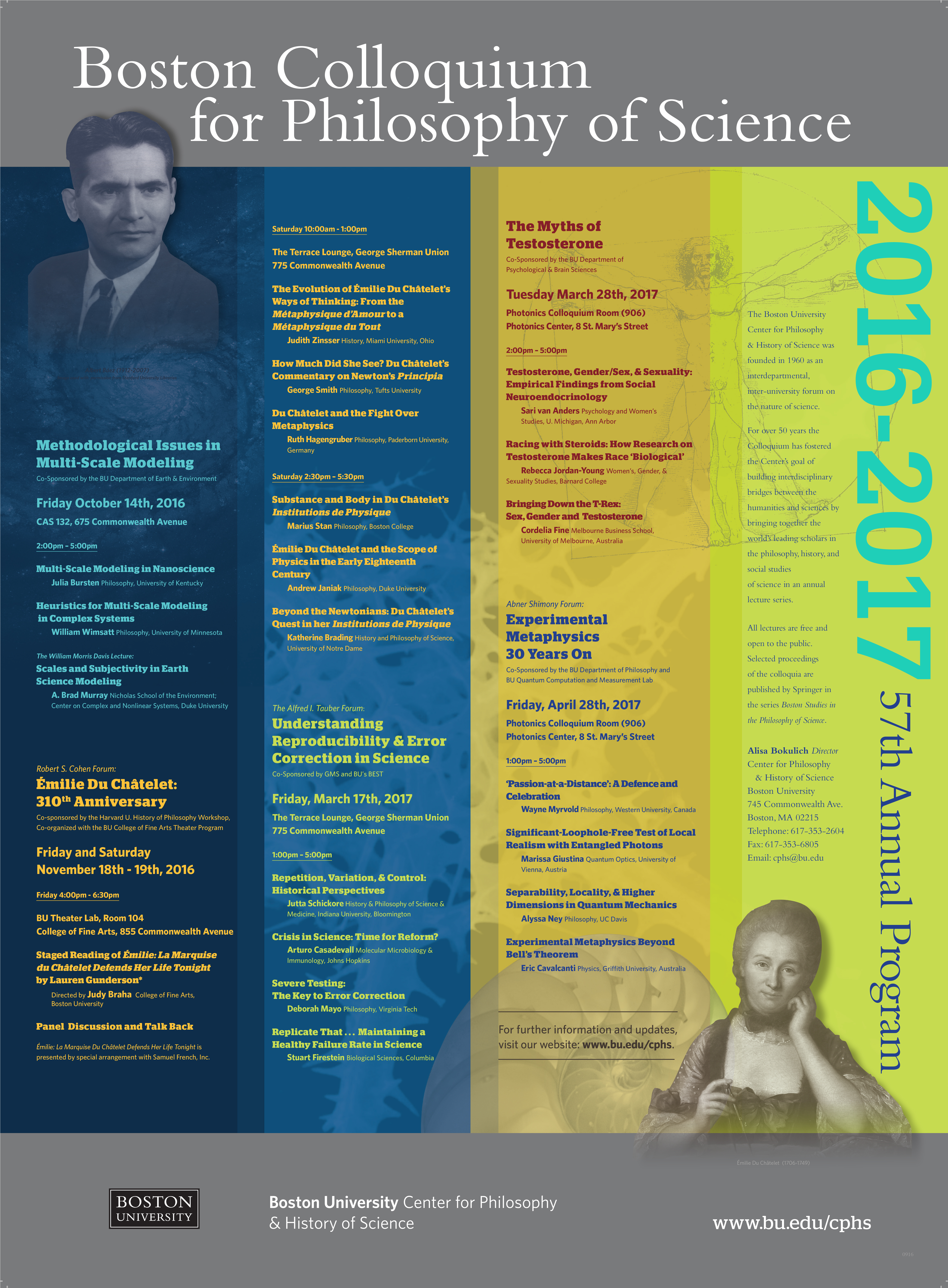
Today is Jerzy Neyman’s birthday. I’ll post various Neyman items this week in honor of it, starting with a guest post by Aris Spanos. Happy Birthday Neyman!

A. Spanos
A Statistical Model as a Chance Mechanism
Aris Spanos
Jerzy Neyman (April 16, 1894 – August 5, 1981), was a Polish/American statistician[i] who spent most of his professional career at the University of California, Berkeley. Neyman is best known in statistics for his pioneering contributions in framing the Neyman-Pearson (N-P) optimal theory of hypothesis testing and his theory of Confidence Intervals. (This article was first posted here.)

Neyman: 16 April 1894 – 5 Aug 1981
One of Neyman’s most remarkable, but least recognized, achievements was his adapting of Fisher’s (1922) notion of a statistical model to render it pertinent for non-random samples. Fisher’s original parametric statistical model Mθ(x) was based on the idea of ‘a hypothetical infinite population’, chosen so as to ensure that the observed data x0:=(x1,x2,…,xn) can be viewed as a ‘truly representative sample’ from that ‘population’:
“The postulate of randomness thus resolves itself into the question, Of what population is this a random sample? (ibid., p. 313), underscoring that: the adequacy of our choice may be tested a posteriori.’’ (p. 314) Continue reading
















 Error Statistics Philosophy